







Search Results for: Soy Milk Coffee Ratio
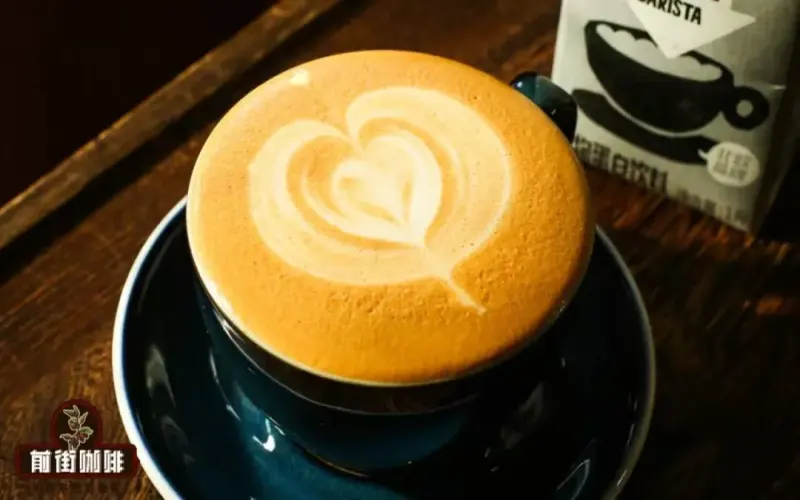
Soy Milk Latte Making Guide: How to Choose the Right Coffee Beans and Master the Key Ratios
Beyond oat milk and almond milk, soy milk is likewise a plant-based milk alternative worth trying when making coffee. However, using soy milk to make a latte isn't something that succeeds with any random combination—the roast level of the coffee beans and the ratio of soy milk to espresso both directly affect the final taste. This article will draw on Front Street's practical experience to explain why soy milk is more suitable for coffee than regular soybean milk, what type of coffee beans should be chosen, and how to achieve a harmonious blend of soy milk and espresso by adjusting the proportions. At the end, it will also share a simple set of steps for making a soy milk latte using Front Street's classic blend and Vitasoy, for coffee lovers to try at home. [more…]
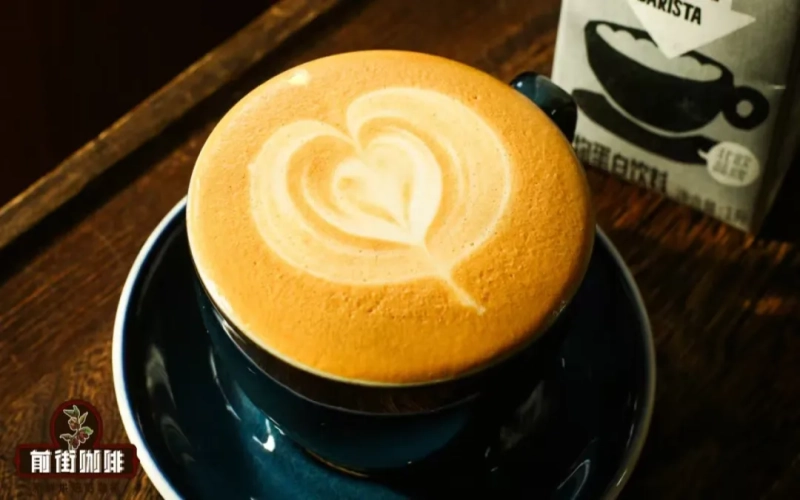
Can Soy Milk and Coffee Be Paired? A Taste Test of Soy Milk Latte and How to Make It at Home
Plant-based milk coffee has become increasingly popular in recent years. Alternatives to milk such as oat milk and almond milk are now commonplace in coffee shops, yet soy milk, a national staple drink, is rarely used to make milk coffee. Soy milk is also a plant-based milk, so why do coffee shops hardly ever offer soy lattes? Is it a flavor mismatch, or is there another reason? This article will use practical testing to make lattes with soy milk instead of milk, analyzing the ratio, mouthfeel, operational details, and other aspects, and sharing Front Street Coffee's testing process and conclusions, to help coffee lovers understand the feasibility and specific method of soy milk coffee. [more…]

Soy milk, milk powder, Wangzai, or AD calcium milk in a latte? A hands-on test of the flavor and mouthfeel differences of five non-fresh-milk ingredients
Latte, cappuccino, flat white, and Dirty all rely on milk, but what would the final taste be if you swapped in soy milk, milk powder, banana milk, Wangzai milk, or AD calcium milk? This time, Front Street Coffee made lattes one by one using five types of non-fresh milk ingredients, all with Front Street Espresso Blend · Strawberry Candy Espresso, using a 1:5 coffee-to-milk ratio for a hot-and-cold comparison, focusing on aroma integration, sweetness, smoothness of mouthfeel, milk foam performance, and whether it is suitable for latte art. The article not only preserves parameters that can be directly replicated, but also gives judgments on the pros and cons of each ingredient, making it a reference for enthusiasts who want to make specialty coffee at home or in a shop. [more…]
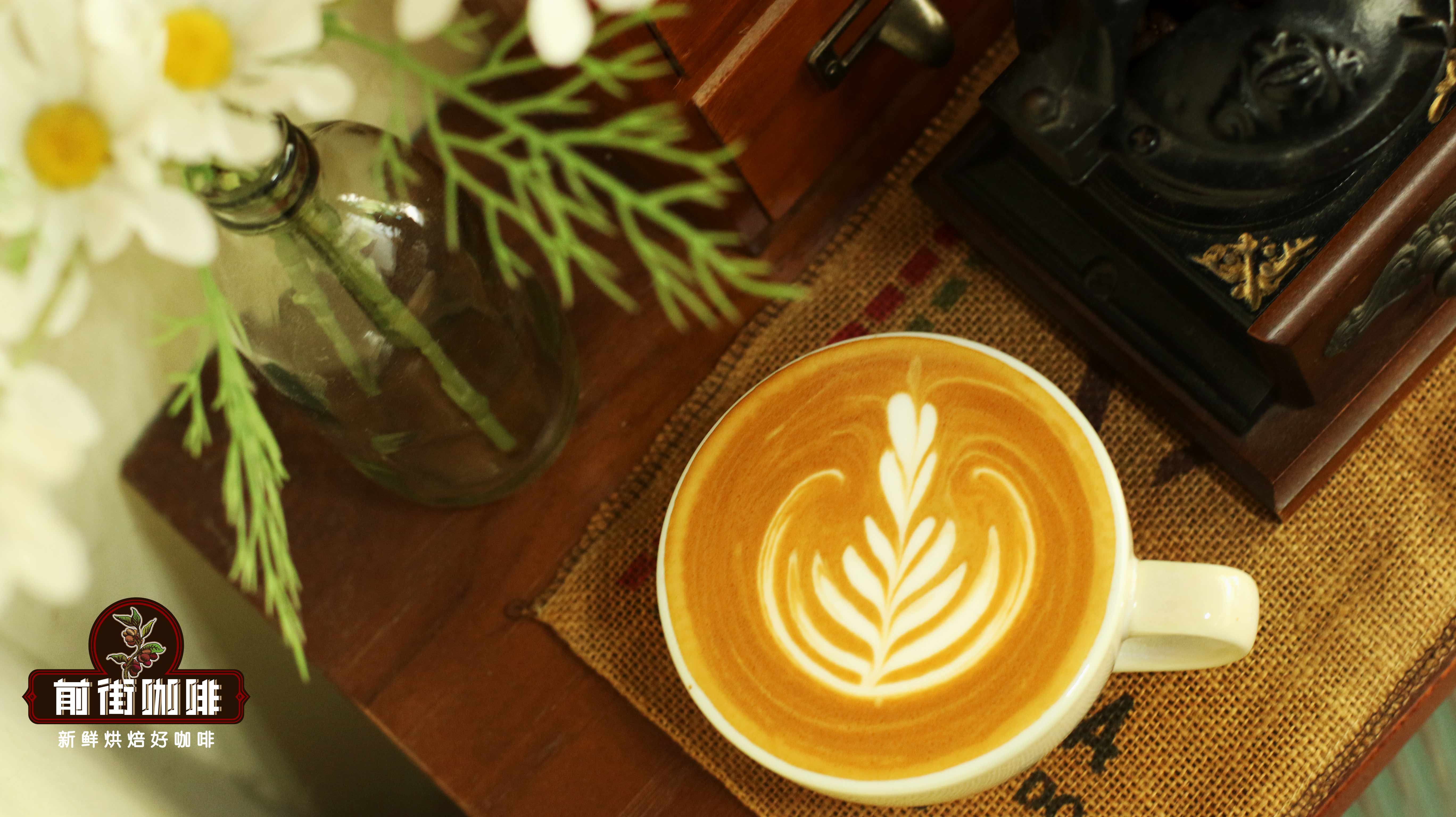
Making lattes at home never tastes as good as the coffee shop? Master soy milk pairing and extraction details to recreate that great flavor
Many coffee enthusiasts who try making lattes at home often find the result less enjoyable than what they get at a café, and may even suspect the shop is hiding a secret recipe. In fact, a latte is not as complicated as it seems—just pay a little attention to a few key steps, and the taste can improve noticeably. Drawing on Front Street's practical experience, this article systematically outlines the essentials for recreating café-quality lattes at home: what roast level to choose for coffee beans, how to match milk with the beans, which parameters to control during espresso extraction, whether to steam milk foam, and how to set the ratio of espresso to milk. It also uses specific products such as Front Street's Warm Sun blend to offer bean recommendations for different flavor preferences, helping you find the cup that suits your taste best. [more…]
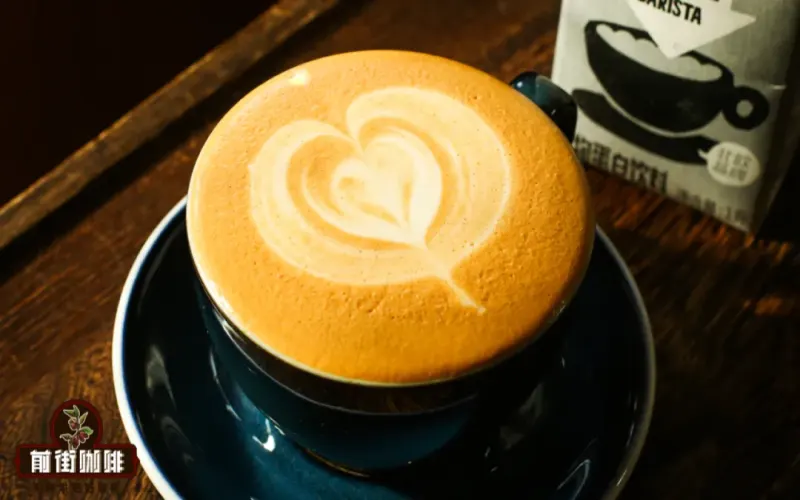
How Does an Oat Milk Latte Differ from a Milk Latte? Master Three Key Points to Make Delicious Plant-Based Milk Coffee
For friends who are lactose intolerant, an oat milk latte is an excellent alternative for enjoying a milk coffee. But many people who make lattes at home with oat milk often find the taste somewhat bitter and not as smooth as the milk version. In fact, oat milk and dairy milk differ noticeably in composition and characteristics, so simply applying the traditional latte method often yields poor results. Drawing on Front Street's practical experience, this article provides a detailed analysis of the differences between oat milk and dairy milk lattes, and focuses on three key areas—choosing oat milk, adjusting the ratio of coffee to plant milk, and milk frothing techniques—to help you make a full-aroma, smooth-textured oat milk latte at home. [more…]
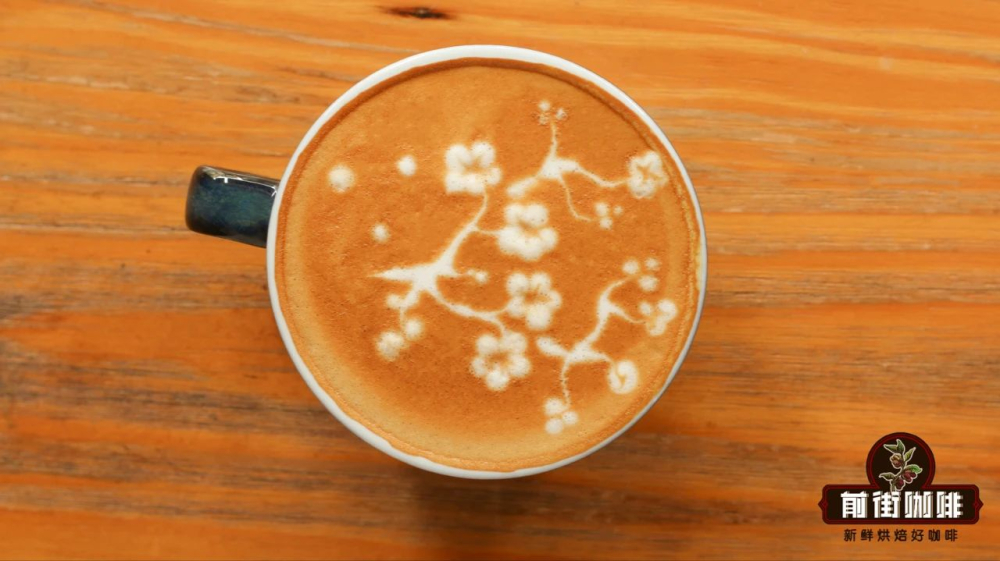
Latte Art | What is latte art? How do beginners make latte art? What are the techniques for making a tulip pattern?
Latte art mainly includes three forms: free pouring, etching, and stenciling. Stenciling uses a stencil to sprinkle cocoa powder, chocolate powder, or cinnamon powder onto the coffee to create a pattern. Free pouring and etching are collectively known as Latte Art; the former involves pouring hot [more…]
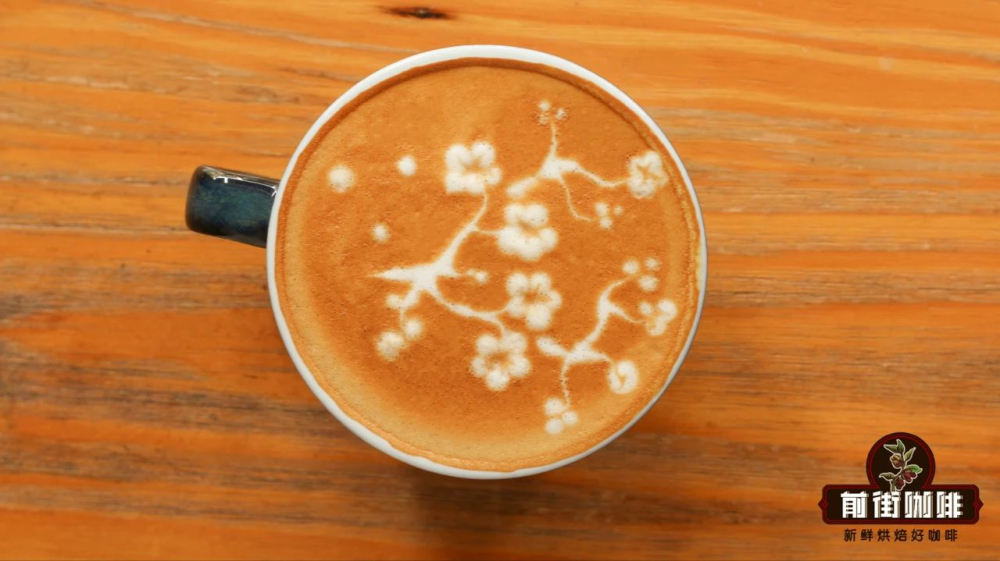
Latte Art Illustrated Guide | How Can Coffee Beginners Learn Latte Art? What Should Be Noted in Latte Art? Instructional Guide on Swan, Tulip, and Rosetta Latte Art
Latte art mainly takes three forms: free pouring, etching, and stenciling. Stenciling uses a stencil to dust cocoa powder, chocolate powder, or cinnamon powder onto the coffee to create a pattern. Free pouring and etching are together known as Latte Art: the former involves pouring steamed [more…]

A Must-Read for Coffee Enthusiasts: A Review of "Coffee Wars" and an Analysis of the WBC Plant Milk Rule Change
In recent years, coffee-themed films and television works have gradually increased, but "Coffee Wars" takes a unique perspective—focusing on the situation of vegetarians and plant-based milk in coffee competitions. The film tells the story of Jo, a highly skilled vegan barista whose business is struggling because the shop only offers plant-based milk, yet she resolutely leads her team into the finals of the World Coffee Championship, attempting to prove that plant-based milk can also create outstanding coffee. At the same time, in reality, the Specialty Coffee Association (SCA) also revised the WBC rules at the end of 2022 to allow plant-based milk to compete, a change that coincides with the film's theme. This article will guide you through the film's highlights, the evolution of WBC rules, and Front Street Coffee's continued attention to specialty coffee culture. [more…]

The Milk Foam Thickness Standard for Flat White and the Latte Art Controversy: The Crafting Logic Behind 0.3 to 0.5 Centimeters
How thick should the milk foam in a flat white really be? Why do some cafés not do latte art when serving a flat white? Behind this lies the historical origins of the flat white and the different brewing philosophies across countries. This article will take you through the evolution of the Flat White from its birth to its global popularity, analyze the differences between New Zealand and Australia in defining the flat white, and explain why thin microfoam is the key feature that distinguishes a flat white from a latte or cappuccino. At the same time, we will also explore the technical conflict between latte art and thin microfoam, and share Front Street Coffee's actual parameters and bean selection approach for making a flat white. [more…]
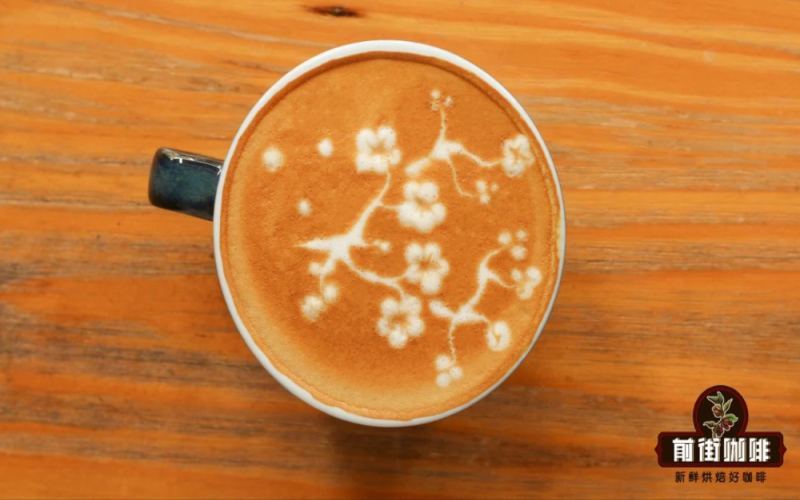
Coffee Latte Art Tutorial: Pouring Point and Swirling Techniques for Tulip and Leaf Patterns, and a Learning Path
Latte art is a visual art created by the collision of milk and espresso, mainly divided into two forms: free pouring and etching, where free pouring tests technique and etching tests creativity. This article systematically outlines the five steps to learning milk latte art, from choosing equipment and extracting espresso to steaming milk foam, and then to flow control and pattern practice, gradually guiding you through the basics. It focuses on explaining the injection point selection, flow control, and swinging rhythm for two basic patterns—the tulip and the leaf—and recommends using Front Street Coffee's specialty blend to make espresso, allowing the nutty caramel flavor to better blend with the milk's sweetness. Whether you are a coffee enthusiast just starting out or a barista looking to refine your skills, you can find practical practice methods here. [more…]
The Complete Guide to Latte Art: Step-by-Step Techniques and Analysis for Hearts, Tulips, Swans, and Rosettas
Latte art is one of the most visually captivating skills in Italian coffee culture, elevating an ordinary milk coffee into a work of art that appeals to both the eye and the palate. This article begins with the three major categories of fancy coffee art, systematically outlines the five learning stages of milk latte art, and breaks down in detail the practical steps for two basic patterns: the tulip and the leaf. Whether you are a coffee enthusiast just starting out or a barista hoping to refine your technique, you will find clear practice directions in this step-by-step illustrated guide. The article also specifically introduces how Front Street Coffee's specialty blend performs in latte art, helping you master the essentials of latte art from bean selection to technique. [more…]
Latte Art Guide: From Pouring Point and Swirling Control to Step-by-Step Tutorials for Tulip and Leaf Patterns
Latte art encompasses three categories: free pouring, etching, and printing. Of these, free pouring and etching are together known as milk latte art—free pouring creates the pattern directly through wrist control while pouring hot milk, whereas etching uses chocolate sauce and tools such as toothpicks and bar spoons to refine the details. Free pouring is the foundation, and etching is the辅助 (auxiliary); the former tests technique, the latter tests creativity. To master milk latte art, one typically goes through five stages: choosing the right milk pitcher and coffee cup, practicing flow control, becoming familiar with basic patterns, hands-on practice, and then further refinement and improvement. This article will use two basic patterns, the tulip and the leaf, as examples to break down key techniques such as the position of the pour point, the flow rate, and the rhythm of the swing, and explain how to use 【Front Street Specialty Blend】 to extract espresso suitable for latte art. [more…]

Starbucks Latest Drink Prices Overview: Espresso, Frappuccino, and Iced Shaken Tea Series, with Frappuccino Zongzi Gift Box Prices Included
In the past two years, many consumers have noticed that Starbucks' beverage prices have increased. Behind this are both the inflation triggered by the pandemic, which has driven up labor and transportation costs, and the unfavorable climate in Brazil, the main source of Starbucks coffee beans, which has reduced coffee bean production and consequently pushed up futures prices. This article compiles the latest price information for Starbucks espresso, Frappuccino, iced shaken tea, cold brew iced coffee, and the Ice Zongzi gift box for coffee enthusiasts' reference. At the same time, for Starbucks fans who love whiskey barrel-treated coffee beans, the article also introduces how to make the same cold brew coffee at home and recommends Front Street Coffee's Sherry coffee beans, making it convenient for everyone to recreate that unforgettable whiskey aroma flavor at any time. [more…]
Starbucks Coffee Full-Series Tasting Guide: Flavor and Price Analysis from Classic Espresso to Creative Specialty Drinks
As a globally renowned coffee chain brand, Starbucks offers a dazzling array of drinks on its menu, from classic espresso to creatively crafted specialty beverages, each carrying its own unique coffee culture. This article will systematically outline the complete range of Starbucks coffee types, covering classics such as cappuccino, latte, Americano, mocha, and caramel macchiato, as well as the iced drink series and creative products like Frappuccino, while also detailing the general price ranges for each size. In addition, the article delves into the roasting origins of Starbucks coffee beans, the Italian roots of its size terminology, and the personalized options customers can customize, providing coffee enthusiasts with a comprehensive and practical ordering reference. [more…]
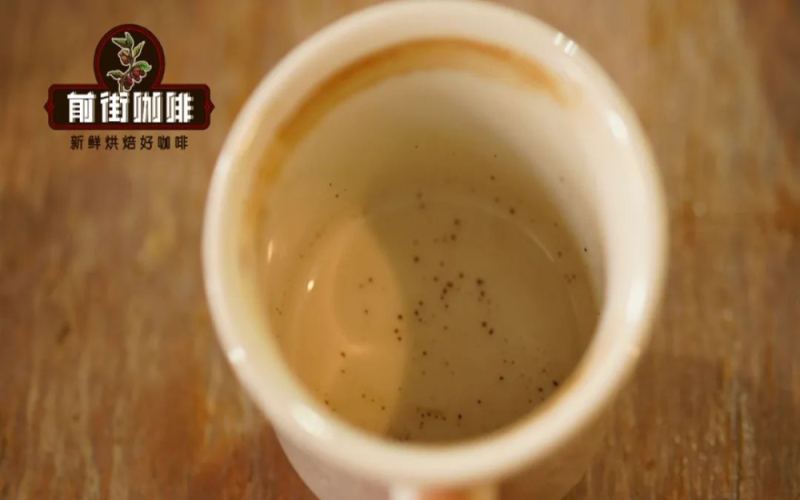
Why Does Fine Sediment Appear at the Bottom of an Espresso Cup? Analyzing the Causes and Practical Solutions for Improvement
Many people, after drinking an Americano or espresso, notice some fine black particles settling at the bottom of the cup—are these actually coffee grounds? And why are they rarely seen in iced drinks? Drawing on Front Street Coffee's practical experience in production, this article explains the sources of very fine particles in espresso extraction, including grinding particle size, the mesh of the portafilter basket, and cleaning of the group head, and offers four actionable improvement measures. The article also records the results of Front Street's test of placing a circular filter paper in the portafilter basket—although it effectively intercepts fine particles, the extraction flow rate and flavor change, requiring readjustment of the grind and dose parameters. [more…]
What kind of coffee dessert is Affogato? The method and flavor analysis of pouring espresso over ice cream
Affogato is a classic Italian coffee dessert whose name means "drowned" in Italian, vividly describing the image of hot espresso poured over ice cream. Sitting somewhere between coffee and dessert, it offers both the rich bitterness of espresso and the dense sweetness of Italian gelato. This article will guide you through a comprehensive understanding of this Italian delicacy where ice and fire meet—covering the definition of affogato, the characteristics of authentic Gelato, basic preparation methods, creative variations from around the world, and Front Street Coffee's recommended espresso bean pairings—along with practical tips for making it at home. [more…]

Starbucks Pink Drink Gets Roasted on Its First Day in China: Does the Pink "Raw Caffeine" Actually Contain Coffee?
Starbucks' Pink Drink caused quite a stir on its first day of release in China, with many consumers reporting that its taste differs noticeably from versions in other regions—some even complaining it tastes like medicine. Meanwhile, another new release in the same series, the Pink Berry Lemonade Refresher with "raw coffee," also came under scrutiny for its taste. What's even more confusing is that the words "raw coffee" in the product name led many people to assume the drink would have a coffee flavor, when in fact no coffee taste can be detected at all. This article compiles real feedback from netizens and takes a deep dive into what "raw coffee" actually refers to, and why you can't taste any coffee in this drink. [more…]

Specialty Coffee Roasting Brands | How to brew Yirgacheffe coffee beans to make them taste great? Which single-origin specialty Ethiopian coffee beans are must-buys for beginners?
For more specialty coffee knowledge, please follow our WeChat official account: FrontStreet Coffee. People who frequent coffee shops should be no stranger to the name Yirgacheffe—some say it's a province, some say it's a producing region, and others think it's a type of coffee bean. [more…]
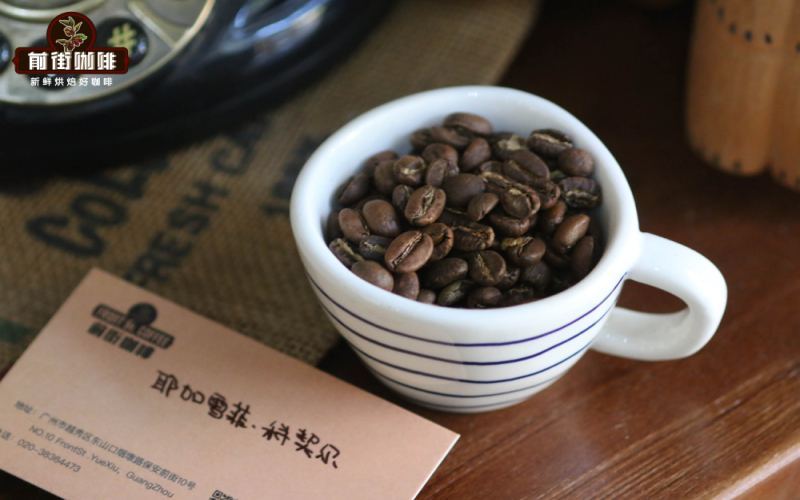
Yirgacheffe Coffee Region Flavor Analysis and a Guide to Brewing High-Value Front Street Specialty Beans
Yirgacheffe is one of Ethiopia's most recognizable coffee regions, known for its bright citrus acidity, white floral notes, and tea-like sweetness in the finish. From the perspective of Front Street Coffee, this article sorts out Yirgacheffe's geographical belonging, certification systems, and the terroir factors behind it, explaining why it can overturn the public's perception that coffee is only bitter and heavy. It also recommends three Front Street Yirgacheffe everyday beans, covering washed, natural, and cooperative lots, along with grinding, water temperature, and staged extraction parameters under a medium-light roast, helping enthusiasts recreate the clean and elegant classic Yirgacheffe flavor at home. [more…]
The Flavor Code of the Yirgacheffe Coffee Region: What Are the Characteristics of Washed and Natural Processing Methods?
The name Yirgacheffe is no stranger to coffee lovers; some treat it as a producing region, while others see it as a flavor label. The coffee beans from this small Ethiopian town, with their bright citrus acidity, elegant jasmine aroma, and refreshing tea-like body, have overturned the perception that coffee is only bitter and rich. In this article, Front Street Coffee will guide you through Yirgacheffe's geographical origins, its unique terroir, and the flavor differences brought by the washed and natural processing methods. We will also recommend several Front Street Yirgacheffe everyday beans suitable for daily drinking, and finally provide practical pour-over parameter suggestions, so you can recreate that clean, lemon-tea-like goodness at home. [more…]